





IOM Reopens Office in Khartoum to Support Humanitarian Efforts Amid Rising Returnees
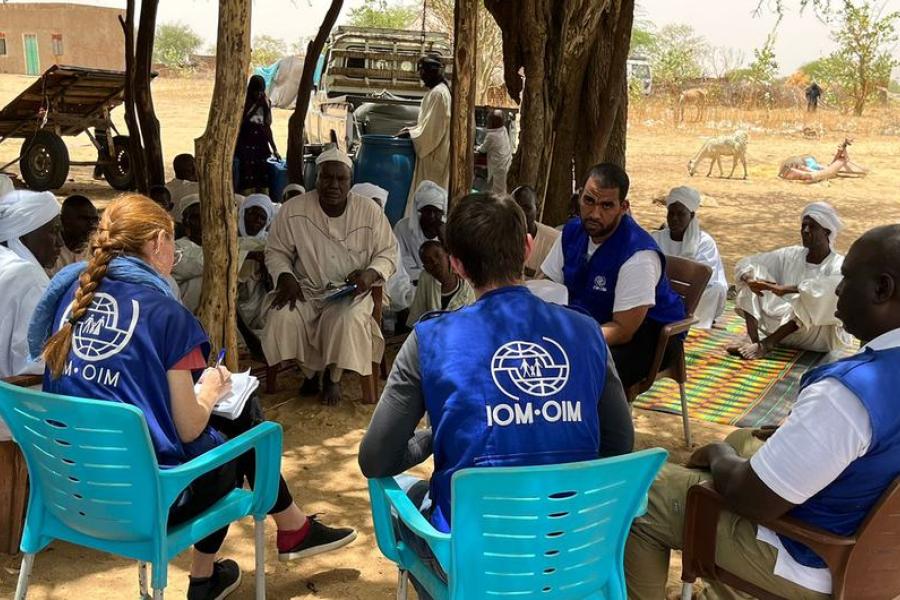
The International Organization for Migration (IOM) has officially reopened its office in Khartoum, marking a significant step in expanding humanitarian and recovery operations in the capital. This move makes IOM the first United Nations agency to re-establish a presence in the city since the conflict began in April 2023. The decision comes at a crucial time as more than two million people have returned to areas considered safer.
Khartoum is experiencing a sharp rise in returnees. In the capital alone, the number of returnees is expected to reach 2.1 million this year, compared to an estimated five million who were displaced from the city during the peak of the fighting. The return trend is not limited to the capital. Between November 2024 and July 2025, nearly two million people returned across 1,611 locations in various regions, including Aj Jazirah, Khartoum, Sennar, Blue Nile, White Nile, River Nile, and West Darfur. Three out of four of these returnees came from within Sudan.
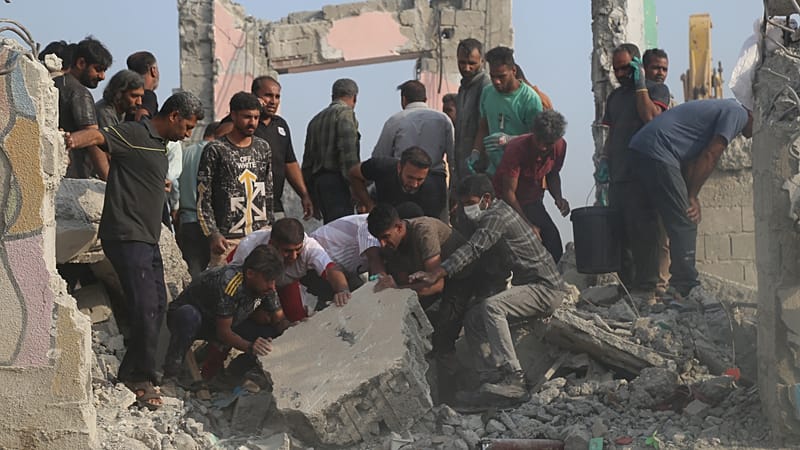
Despite the increase in returnees, conditions remain challenging. Many families arrive to find their homes damaged or uninhabitable. Electricity and clean water are still scarce, and healthcare services are limited. The risk of cholera persists, and unexploded ordnance continues to pose a danger in residential areas, near schools, and along access roads.
IOM’s return to Khartoum will support the country through this complex recovery phase. The office will function as an inter-agency hub, enabling the UN and humanitarian partners to scale up life-saving assistance and early recovery support in urban areas where needs are most concentrated. In the first half of 2025, IOM reached more than 600,000 people in Sudan with humanitarian assistance, including access to clean water, protection services, health care, and mental health and psychosocial support. However, the scale of needs continues to outpace available funding.
IOM will work closely with authorities and partners to ensure that communities of return have access to essential services. Support will target both returnees and residents who never left, recognizing that recovery requires rebuilding services for entire communities.
Despite the returns, the conflict is far from over. Violence in Kordofan and Darfur, including the siege of El Fasher now in its second year, has brought catastrophic consequences for civilians and created famine conditions for many unable to flee. In Darfur, reaching people in need remains extremely difficult due to insecurity, restricted access, and limited funding. These constraints hinder the ability of humanitarian organizations, including IOM, to respond at the required scale, and they increase the risk that fragile recovery gains will be lost.
Sudan’s war has upended lives on an extraordinary scale. More than 14.2 million people have been displaced since the conflict escalated, with 10 million uprooted inside the country and 4.2 million across borders. To accelerate humanitarian and recovery efforts, IOM is urgently appealing for USD 29 million in flexible funding to sustain humanitarian efforts in Khartoum alone. IOM also urges all parties to facilitate safe, sustained, and unimpeded humanitarian access.
Challenges and Funding Shortfalls
IOM’s Regional Crisis Response Plan for Sudan and neighboring countries is critically underfunded, with only 12 percent of the original USD 428 million appeal met. Within this, the Sudan response is just 11 percent funded, while neighboring countries are 14 percent funded. This lack of funding poses a major challenge for humanitarian efforts, limiting the ability to provide essential aid and support to those in need.
Humanitarian organizations face numerous obstacles, including ongoing violence, restricted access, and limited resources. These challenges make it difficult to reach vulnerable populations and provide timely assistance. As a result, many communities continue to suffer from inadequate food supplies, poor sanitation, and limited healthcare options.
Ongoing Needs and Future Steps
The situation in Sudan remains dire, with millions of people in need of urgent assistance. IOM and other humanitarian agencies are working tirelessly to provide support, but the scale of the crisis requires a coordinated and sustained response. Continued funding and political will are essential to ensuring that humanitarian efforts can meet the growing needs of affected populations.
In addition to financial support, there is a need for increased collaboration among governments, international organizations, and local communities. By working together, stakeholders can develop effective strategies to address the root causes of displacement and promote long-term recovery.
As the conflict continues, the international community must remain committed to supporting Sudan and its people. The road to recovery is long and challenging, but with collective effort and determination, it is possible to rebuild and restore hope for millions of displaced individuals.