




Strengthening Bilateral Relations Between Vietnam and Australia
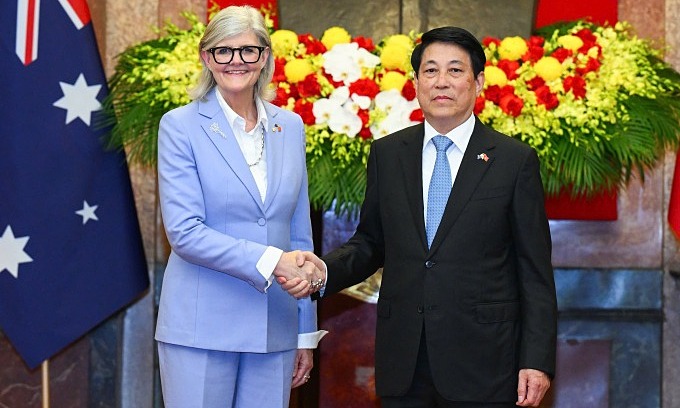
During a recent meeting in Hanoi, State President Luong Cuong engaged in discussions with Australian Governor-General Sam Mostyn. The dialogue focused on enhancing the strategic partnership between Vietnam and Australia, aiming to elevate their bilateral ties to new levels of cooperation and mutual benefit.
President Cuong expressed appreciation for the Governor-General’s visit, which marked a significant milestone as it occurred shortly after Vietnam celebrated the 80th anniversary of the August Revolution and National Day. He also acknowledged the Governor-General’s congratulations to Vietnamese leaders, highlighting the importance of this gesture in strengthening diplomatic relations.
The State President commended Australia for its achievements in economic growth, social welfare, and its growing influence on the global stage. Both leaders emphasized that defense and security cooperation remains a fundamental aspect of their relationship. They agreed to expand collaboration in this area, including ongoing support for officer training and peacekeeping operations, particularly in transporting field hospitals to Vietnam’s UN mission in South Sudan.
Governor-General Mostyn shared her admiration for Vietnam’s rapid development and expressed gratitude for the warm reception provided by President Cuong and the Vietnamese government. She praised Vietnam’s consistent GDP growth and socio-economic progress, reaffirming Australia’s commitment to being a reliable partner in Vietnam’s journey toward becoming a high-income nation by 2045.
A Historic Partnership and Strategic Collaboration
The upgrade of Vietnam-Australia relations to a Comprehensive Strategic Partnership in March 2024 was recognized as a historic achievement. Both sides highlighted the effective implementation of the 2024–2027 Action Programme, which includes regular consultation mechanisms and dialogue across various sectors. This framework underscores their shared vision for advancing bilateral ties.
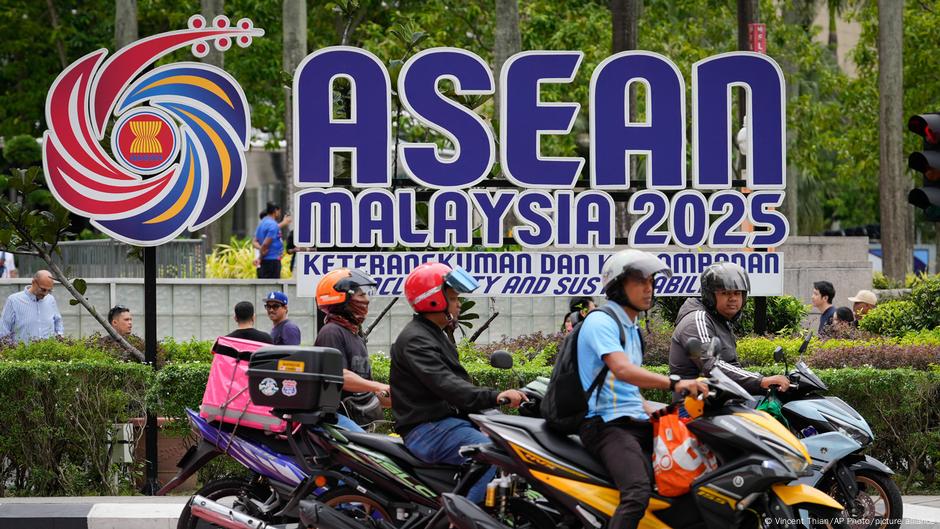
Economic cooperation between the two nations continues to grow, with bilateral trade surpassing $14 billion in 2024. Tourism has also seen steady development, supported by 56 weekly flights connecting the two countries. Australian businesses are encouraged to invest further in Vietnam, while Vietnam plays a key role in facilitating Australia’s engagement with Southeast Asia through initiatives such as the ASEAN–Australia Comprehensive Strategic Partnership and Australia-Mekong sub-regional cooperation.
Both leaders emphasized the importance of maintaining strong high-level exchanges across political, parliamentary, and local channels. These interactions are vital for fostering information sharing, political trust, and mutual understanding, which serve as the foundation for broader cooperation.
Human Resources and People-to-People Exchanges
President Cuong highly valued Australia’s contributions to Vietnam’s development through programs focused on human resources, leadership capacity-building, gender equality, public governance reform, and human rights education. He proposed continued support for training senior leaders at both central and local levels, with a special focus on teachers and lecturers. This includes linking training programs between the two countries and promoting collaboration among research institutions and universities.
Governor-General Mostyn acknowledged the significant presence of the Vietnamese community in Australia, which numbers approximately 350,000, as well as nearly 40,000 Vietnamese students studying and conducting research in the country. She emphasized that these people-to-people exchanges form a solid foundation for the bilateral relationship.
Future Economic and Technological Cooperation
Both sides agreed to intensify efforts to enhance economic cooperation, aiming to reach a trade turnover of $20 billion and double bilateral investment in the coming years. They also seek to improve market access for each other’s key products. Vietnam looks forward to increased investment from Australian businesses under initiatives such as Australia’s Southeast Asia Economic Strategy to 2040.
In addition, the leaders pledged to encourage collaboration between research institutions and scientists in both countries, focusing on strategic technology fields such as artificial intelligence, new materials, and biomedical technology. They also committed to maintaining close coordination at international and regional forums, including the United Nations, ASEAN-led mechanisms, the Mekong Subregion development cooperation, and APEC.
Commitment to Regional Stability and International Law
Australia reiterated its support for Vietnam and ASEAN’s principled stance on ensuring security, safety, and freedom of navigation and aviation in the East Sea. Both nations emphasized the importance of resolving disputes peacefully in accordance with international law, particularly the 1982 United Nations Convention on the Law of the Sea (UNCLOS). This shared commitment reflects their dedication to regional stability and peaceful cooperation.