







A Tragedy That Exposes Systemic Failures in Nigeria’s Security Framework
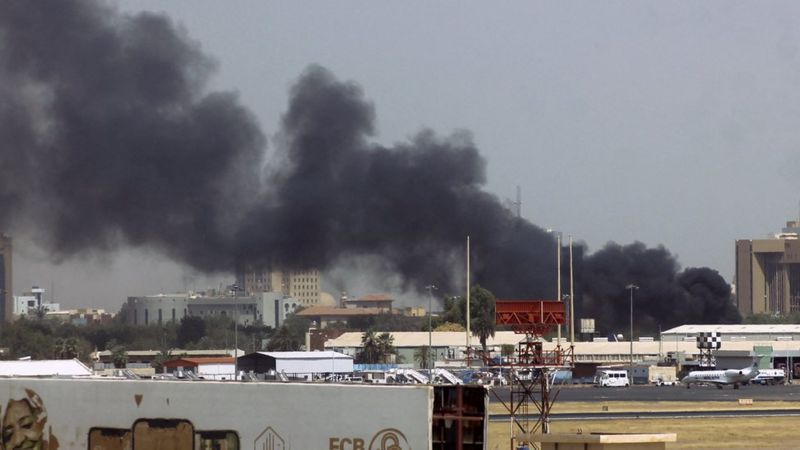
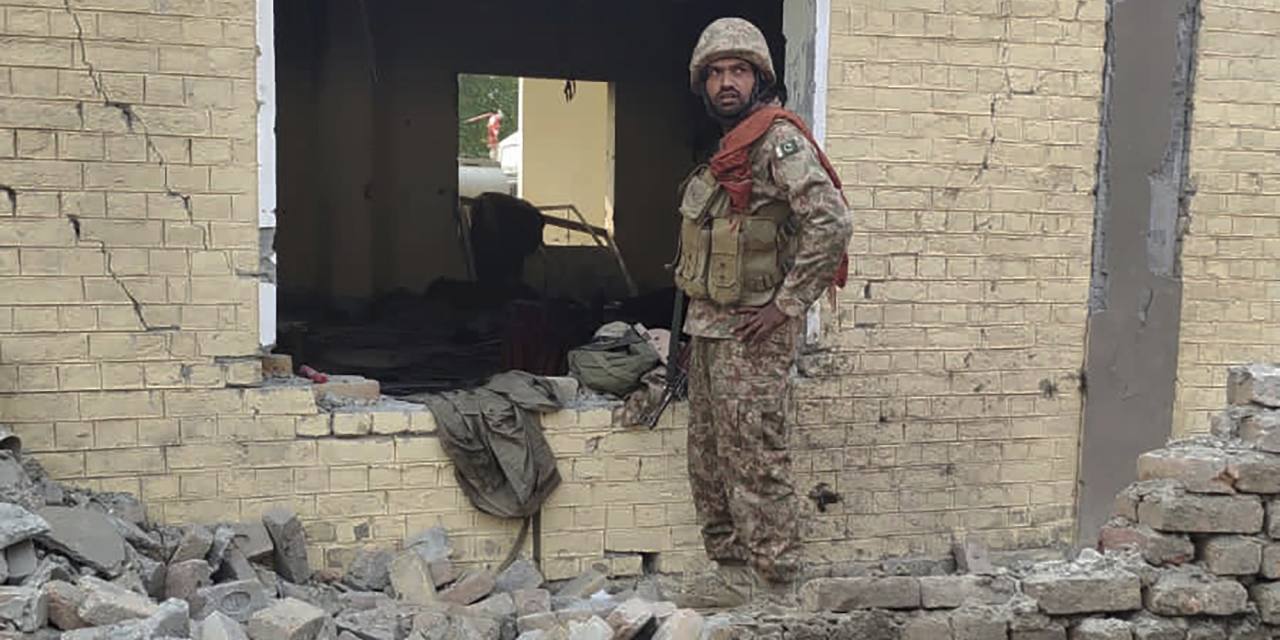
The brutal attack on Gidan Mantau, located in the Malumfashi Local Government Area of Katsina State, has once again exposed the deep-rooted failures in Nigeria’s security infrastructure. On Tuesday, August 19, 2025, gunmen stormed a mosque and nearby homes, killing at least 50 people and abducting around 60 others. The violence unfolded with alarming ease, as attackers operated without interference for hours, leaving behind a trail of devastation that included widowed women and orphaned children.
This incident is not an isolated event but part of a broader pattern of insecurity that has plagued several northern states, including Zamfara, Niger, Kaduna, Benue, and Plateau. Despite repeated reports and growing concerns, these tragedies are gradually fading from public discourse, raising serious questions about the effectiveness of current security strategies.
The scale of this tragedy directly contradicts the government’s claims of success in combating terrorism in the North. In reality, bandits and terrorists continue to operate with impunity, ambushing locals and even security personnel. They strike, loot, and retreat to their hideouts, often pursued but rarely neutralized. This ongoing crisis cannot be addressed through rhetoric alone; it demands urgent and concrete action.
President Bola Tinubu acknowledged the gravity of the situation when he met with Governor Dikko Umar Radda and other stakeholders in Katsina. He emphasized the need for enhanced security measures, including the deployment of air drones and increased movement between Katsina and neighboring areas. Governor Radda had previously called for greater support, highlighting that his state alone could not bear the burden of such attacks. His plea underscores the fact that existing structures are insufficient, and without new interventions, more communities risk similar fates.
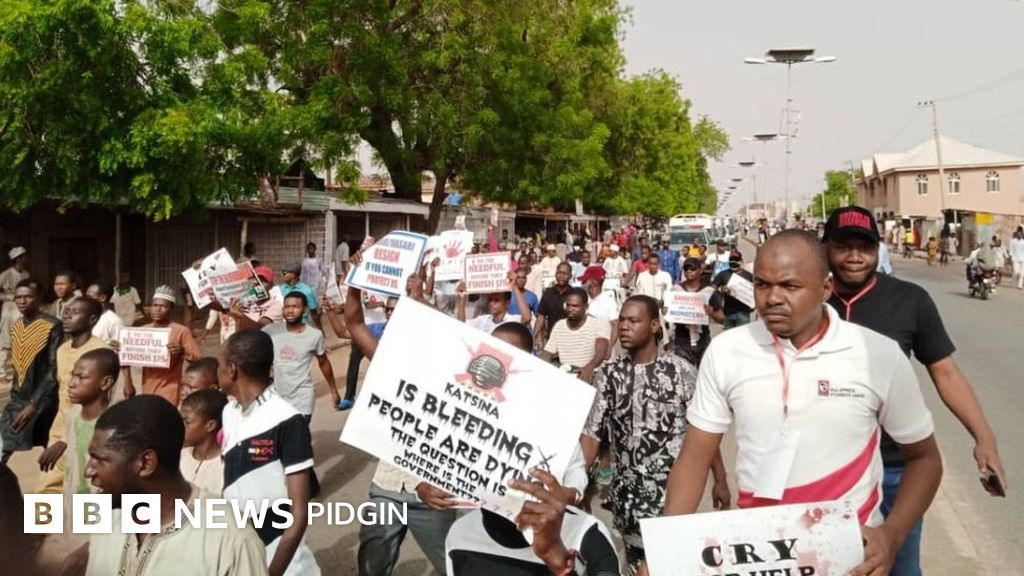
In addition to external efforts, local leaders must also take responsibility. On the same day as the presidential meeting, a separate gathering of concerned elders in Katsina was attacked by what some described as “government thugs.” Dr. Bashir Kurfi, convener of the Katsina Security Community Initiative, expressed frustration, stating that the attack emboldened bandits and highlighted divisions among local leaders. While the Katsina State Government denied involvement, the incident reinforces the need for locally driven solutions and unity among leaders.
The Gidan Mantau massacre also highlights the dangers of peace agreements made from a position of weakness. Several local government areas in Katsina have signed truces with bandits, yet attacks continue unabated, particularly in regions that have not entered into such agreements. These so-called peace deals often provide temporary relief but fail to dismantle criminal networks. Instead, they allow terrorists time to regroup and rearm, making future attacks more dangerous.
Recent intercepts of weapons along the Ingawa-Karkarku road further underscore the threat posed by organized and well-armed groups. The discovery of a General Purpose Machinegun, thousands of rounds of ammunition, and other weapons confirms fears that these groups are waging a coordinated war against the Nigerian state. Security forces must now acknowledge that the bandits they face are no longer disorganized but strategic and forward-thinking.
A comprehensive security architecture is essential, not just in Katsina but across the North. Contiguous states in the North-West must move beyond political divisions and collaborate effectively. They should demand, rather than beg for, more troops, intelligence, and technology. Empathy and decisive leadership are crucial in addressing this crisis. Governors cannot remain insulated in fortified vehicles or outside the country while their citizens suffer.
The Gidan Mantau tragedy serves as a stark reminder of the cost of inaction. Lives were lost, families shattered, and futures erased. It is a moment that should compel those in power to act. This is especially true given that the victims died in a reprisal attack following earlier community actions against bandits. The calls for self-defense by authorities have led to tragic consequences, highlighting the need for a more effective approach.
Nigeria owes the victims more than words of condolence. They deserve justice, protection, and assurance that their deaths will not be in vain. Most importantly, leaders must separate security from politics and openly admit that the country is facing an emergency. Only through collective effort and unwavering commitment can the cycle of violence be broken.