

The Mirror of Neighboring Experiences
Throughout history, nations have observed each other closely. Events in one country often reflect on others, offering a glimpse into potential paths and outcomes. People across different regions frequently find inspiration or caution through the experiences of their neighbors. However, the extent to which these lessons are applied and the time it takes for change to occur remain unpredictable.
The 1896 Philippine Revolution and the subsequent declaration of independence from Spain in 1898 served as a powerful example for Indonesians. These events demonstrated what it would take to break free from colonial rule, which had lasted over three and a half centuries under Dutch control. Decades later, after World War II, Indonesia seized the opportunity presented by global shifts to declare its own independence.
In his novel Child of All Nations, Indonesian author Pramoedya Ananta Toer highlighted the significance of the Filipino struggle. One of his characters remarked: “The Filipinos are also great teachers for the other conquered peoples of Asia. They were the founders of the first Asian republic. And it collapsed. A great historical experiment. The Spaniards and Americans – their war – it was all an act. There was no conflict between them; it was all to do with letting the Spaniards sell the Filipino people to the United States without having to lose face before the eyes of the world.”
A similar pattern emerged about a century later. In 1986, when the Marcos dictatorship fell, Indonesian activists watched with admiration but also concern over foreign influence during times of instability. Their own moment of change came after the 1997 Asian financial crisis, when citizens realized how the corruption and abuses of Suharto’s regime had left the nation vulnerable despite its natural resources. Suharto’s “New Order” government, supported by the military, ultimately fell in 1998.
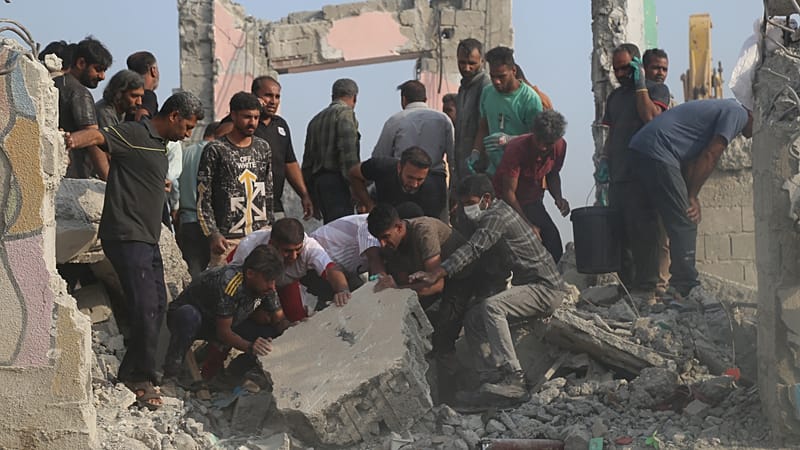
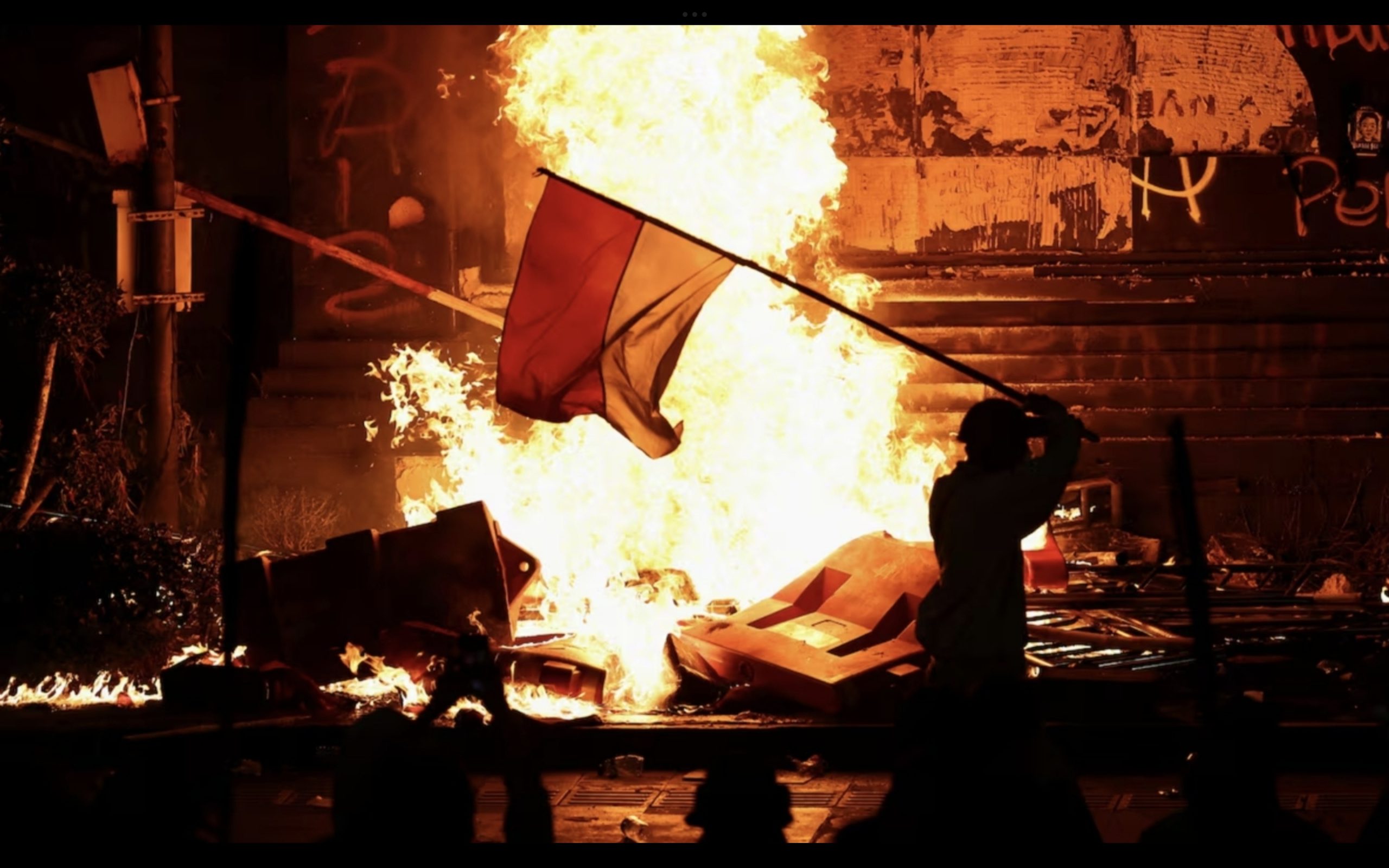
Today, Indonesia is experiencing a crisis that may be the most serious since the 1997-1998 riots. Memories of past unrest, including the resurgence of anti-Chinese sentiments, continue to shape current protests. As a result, the world is closely observing the chaos—protesters looting homes of politicians and setting fire to public buildings. Indonesia’s volatility stems from deep-seated divisions based on race, ethnicity, class, regional identity, and ideology. In contrast, the Filipino response to political crises has been relatively milder.
The immediate trigger for the Indonesian protests was the $3,000 monthly housing allowance received by legislators, a privilege that stands in stark contrast to the low wages and rising costs faced by many citizens. This amount is trivial compared to the extensive privileges enjoyed by officials, such as SUVs, bodyguards, and travel allowances.
In the Philippines, calls for accountability over poor infrastructure projects were initially raised by President Marcos himself during his State of the Nation Address in July. He criticized politicians and contractors for their greed, particularly in light of recurring flooding and failed flood control systems. His message, “mahiya naman kayo,” aimed to urge restraint, but few believed it signaled a genuine anti-corruption campaign.
While President Marcos may not have intended a full-scale reform, he was fortunate to speak out at a crucial time. Unlike Indonesian President Prabowo, who is currently facing protests, Marcos can claim to have initiated reforms and followed through by reorganizing the Department of Public Works and Highways (DPWH). Newly appointed DPWH Secretary Vince Dizon credits all his actions to direct orders from the President.
In the Philippines, corruption and privilege remained hidden until the Discaya couple and the so-called “nepo babies” (children of the new generation of “politicontractors”) became public figures. Their extravagant lifestyles, exposed through social media, sparked widespread outrage. However, the true scale of corruption remains hidden within a complex system that enables a select few to amass wealth through both legal and illegal means.