





Arvid Lindblad’s Impressive Performance in Mexico GP FP1
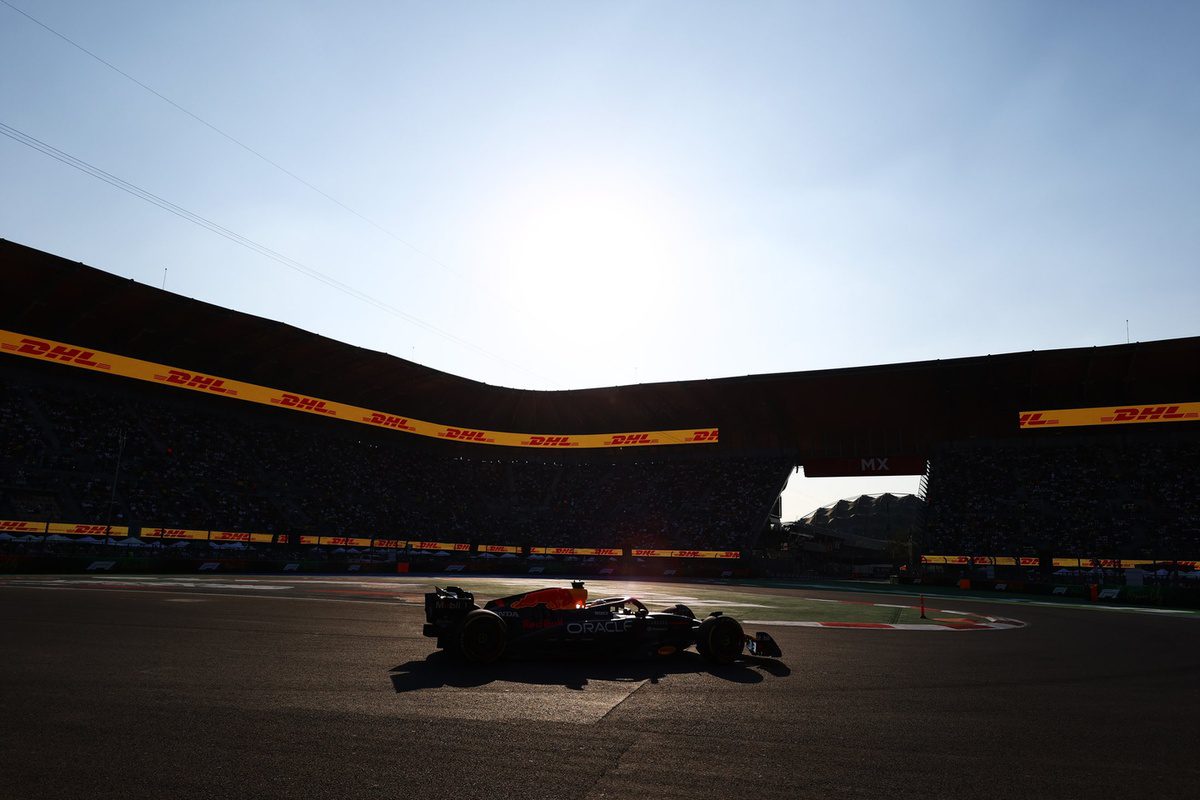
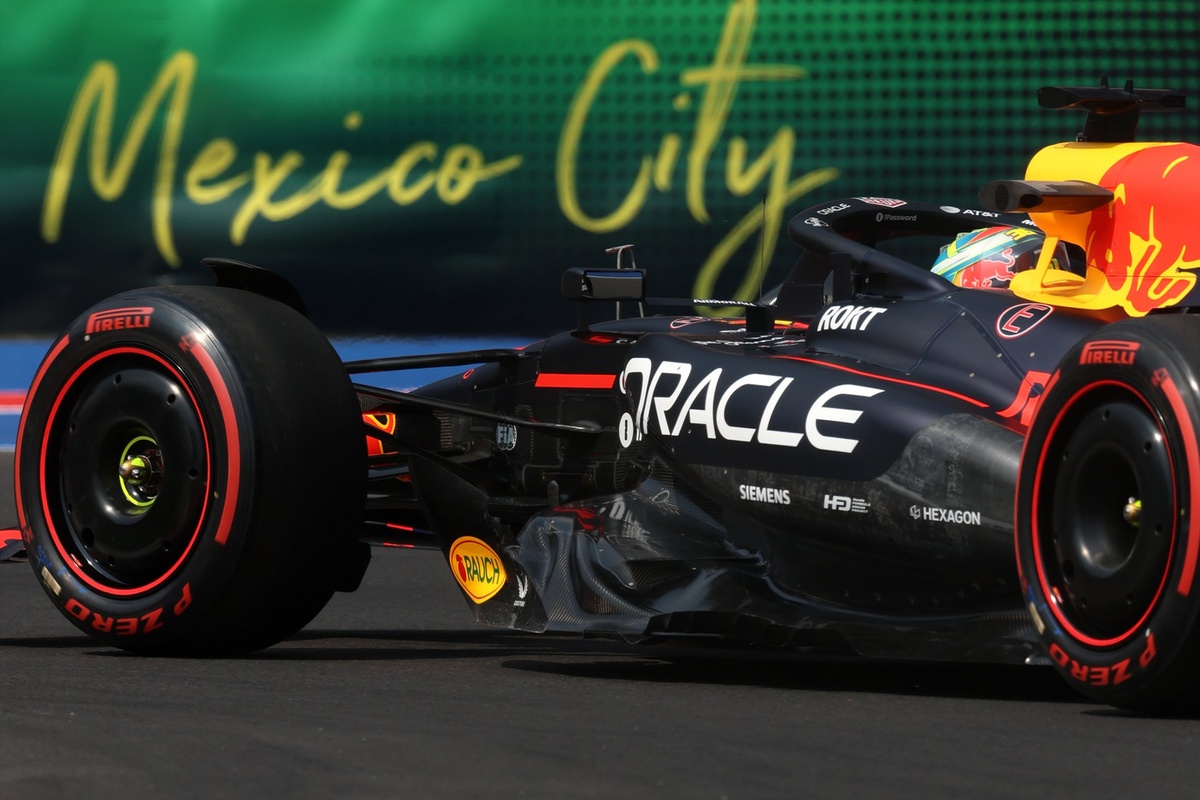
Arvid Lindblad’s performance during the first practice session (FP1) for the Mexico Grand Prix has drawn significant attention, particularly due to an incident that could have led to a visit from the stewards. The young driver was accused of potentially impeding fellow rookie Pato O’Ward during the session. However, despite this, Lindblad’s overall performance was enough to earn praise from Red Bull’s top management, who are closely monitoring his development.
Lindblad managed to record the fastest lap of the session, clocking in 0.093 seconds faster than Yuki Tsunoda, who is also a part of Red Bull’s junior program. While such comparisons can be misleading due to varying run strategies, fuel loads, and engine settings, Lindblad’s consistency and composure stood out. His only misstep came on his first push lap when he rode over the kerbs at Turn 12, a common issue on the slippery surface of the circuit during the early stages of practice.
Positive Feedback from Red Bull Leadership
Helmut Marko, Red Bull’s driver advisor, praised Lindblad’s performance, stating that he delivered under pressure. “He did a solid job,” Marko said. “It was a difficult situation for him, with everyone telling him not to make any mistakes. But he still delivered, and he was by far the fastest rookie.”
Marko highlighted that Lindblad’s technical feedback was impressive, indicating a strong understanding of the car’s performance. Despite completing 12 laps on hard tires at the start of the session, which was more focused on acclimatisation, Lindblad showed his potential when given the opportunity on soft tires. His fastest lap of 1m18.997s was just 0.617 seconds behind Charles Leclerc, who set the fastest time of the session.
Strategic Decisions Behind the Scenes
Team principal Laurent Mekies explained that the decision to keep Lindblad on lower fuel loads was intentional. “We left him on rather low-ish fuel to avoid complications,” Mekies said. “He did a very good job, especially considering he was driving Max Verstappen’s car with new components installed.”
The team had planned for Lindblad to focus on track familiarization rather than long runs, as Verstappen would take over the car from FP2 onwards. This strategy allowed Lindblad to concentrate on getting a feel for the circuit without the added pressure of race simulations.
Tsunoda, on the other hand, completed two sets of out-push-in laps on soft tires before moving to hards for a long run. His best time improved from 1m19.275s to 1m19.090s, showing progress but falling slightly behind Lindblad’s pace.
Challenges and Technical Issues
A data transmission problem affected the accuracy of the fastest lap comparisons between Lindblad and Tsunoda, impacting F1 TV and GPS signals. Mekies suggested that the GPS signal issues may have contributed to the alleged impeding incident involving Lindblad.
Despite these challenges, Lindblad’s performance was widely recognized as impressive, especially considering the difficulty of adapting to a car with new components. His calm demeanor and technical insights were key factors in his positive evaluation.
Looking Ahead: Driver Selection for 2026
Red Bull remains cautious about its future driver plans for 2026, but Marko emphasized that FP1 performances now offer a better indication of a driver’s potential compared to Formula 2 results. He pointed out that the F2 season has been disrupted by various technical issues, including electrical problems, sustainable fuel challenges, and sensor failures.
Marko also mentioned that drivers like Isack Hadjar and Andrea Kimi Antonelli, despite strong performances in F2, did not always translate their success into championship contention. “This FP1 running in an F1 car shows the real potential,” he said.
When asked about Lindblad being quicker than Tsunoda, Marko remained cryptic but positive. “That he is a talented young driver,” he said, hinting at the promising future ahead for Lindblad.