


Macau’s Transformation: Wellness Clinics as the New Economic Pillar
In recent years, Macau has been making a significant shift from its traditional reliance on gaming to explore new economic opportunities. One of the most promising areas is the wellness and healthcare sector, which is rapidly gaining traction as a key driver of growth in the Greater Bay Area. This transformation is not just about diversification; it’s about redefining what Macau represents on the global stage.
On a recent Sunday morning, a group of five friends from Bangkok made their way to the Studio City Hotel in Macau, a location more commonly associated with casinos and entertainment than medical services. Instead of heading to the gaming tables, they were set for a visit to iRad Hospital, located within the resort complex. This was an unusual choice for them, but one that reflected a growing trend among travelers seeking wellness experiences alongside their leisure activities.
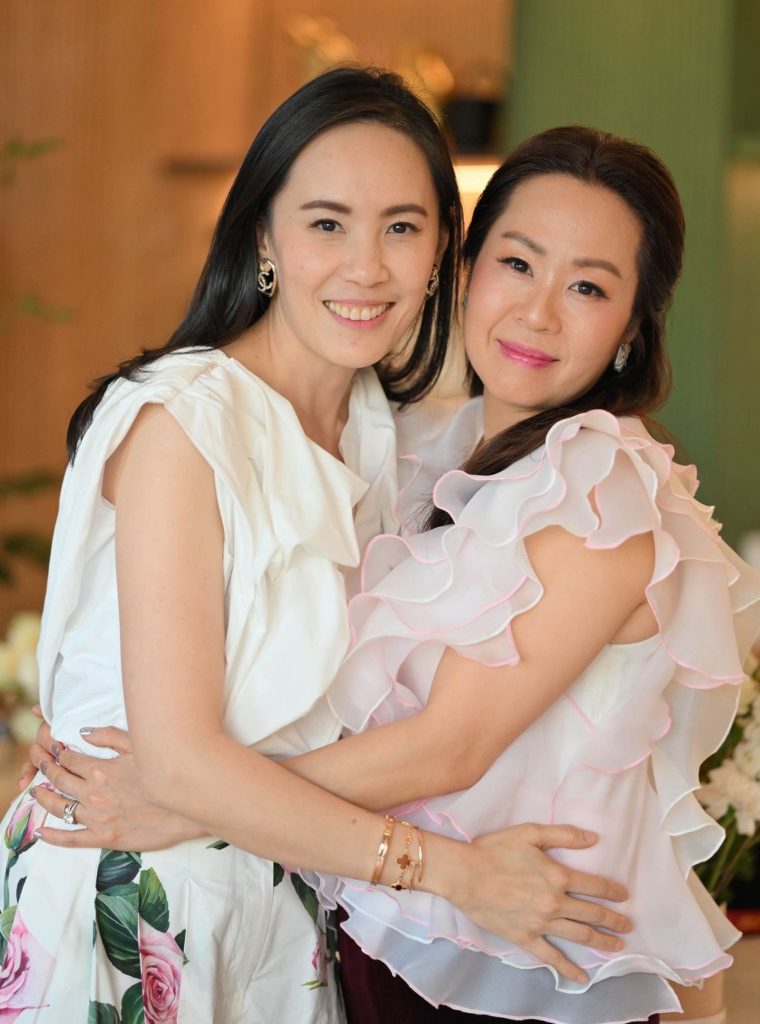
The women, including Kwaisun Panchasarp and Nantanat Tejavibulya, had come to Macau to enjoy the NBA games and spend time with their families. However, their decision to visit iRad was spontaneous, driven by online research and a desire for some “me time.” For Kwaisun, who is also a patient at iRad’s Hong Kong clinic, the calm and welcoming atmosphere of the Macau branch was a pleasant surprise.
This kind of casual medical and wellness shopping trip could become more common across the Greater Bay Area as the region aims to become a cross-border hub for healthcare and wellness tourism. Spearheading this change is iRad Hospital, the world’s first integrated-resort medical facility offering full diagnostic services. The 15,000 sq ft clinic features MRI and CAT scanners alongside non-invasive beauty treatments such as the Xerf radio-frequency skin-tightening system from Korea.
Dennis Tam, honorary chairman of iRad and president and CEO of Black Spade Capital, highlighted the advantage of iRad’s location in an integrated resort. He noted that visitors can enjoy multiple activities simultaneously, such as the husband going to the casino while the wife checks out the hospital. This model offers a unique blend of leisure and health, appealing to families looking for diverse experiences.
Black Spade, which became iRad’s majority shareholder in 2021, is also involved in other ventures, including Melco Resorts & Entertainment, owner of Studio City and one of Macau’s six casino concessionaires. This strategic alignment underscores the potential for synergy between gaming and wellness sectors.
Macau’s “1 + 4” economic strategy, introduced by the government to cap gaming’s contribution at less than 40 per cent of GDP, identifies health and wellness as one of four new growth pillars alongside finance, technology, and culture. The long-term vision is to push medical tourism such as health check-ups and aesthetic therapies, leveraging Macau’s existing visitor base to attract return visits.
According to Macau’s Statistics and Census Service, visitor arrivals are expected to reach 39 million in 2025, nearly matching Japan’s estimated 40 million. Officials anticipate that tourism spending will surpass pre-pandemic levels this year, raising hopes that health and beauty services could become a significant non-gaming revenue stream.
The city’s appeal lies not only in its resort infrastructure but also in its proximity to the vast bay area, which links Hong Kong and Macau to several mainland cities. This region, with a population of about 86 million, is becoming a testing ground for China’s healthcare integration, combining Hong Kong’s medical expertise, Macau’s hospitality infrastructure, and the mainland’s scale and policy support.
While Hong Kong and Guangzhou remain leading medical hubs, other cities and Macau are catching up, promoting their medical standards abroad and showcasing the region’s growing expertise. For investors like Black Spade, iRad’s hybrid model of medical diagnostics and wellness in a leisure setting could become a blueprint for other destinations within the Greater Bay Area.
Asia accounts for 60 per cent of the world’s population, and its combination of rising wealth, ageing demographics, and chronic disease is fuelling a projected US$5 trillion healthcare market by 2030. Yet the region still attracts only about a fifth of global healthcare investment, leaving plenty of room for expansion. For players such as Black Spade and Fosun Health, this imbalance represents opportunity.
Fosun Health operates four hospitals in the Greater Bay Area, all geared towards serving a cross-border clientele. Its flagship facility, Chancheng Hospital in Foshan, offers advanced medical services at roughly half the price of comparable Hong Kong services. The hospital recently introduced state-of-the-art equipment, including the M6 CyberKnife, which targets tumours with sub-mm precision.
Financial integration is also progressing, with hospitals in the region authorised to use Hong Kong-registered drugs and devices. This harmonisation of medical standards is part of a broader effort to make healthcare a seamless experience within the Greater Bay Area.
Despite these advancements, challenges remain. Mainland visa restrictions and language barriers continue to deter some Southeast Asian patients. However, the draw of innovative medical technology and competitive pricing may help overcome these barriers.
For travelers like Ming Lee, a Hong Kong-based lawyer, the convenience of accessing high-quality medical services in Macau is a compelling factor. She found the prices favorable and the equipment more advanced than in Hong Kong. This shift in convenience hints at how the balance of Asian healthcare is starting to change.
As one Hong Kong dollar is typically equivalent to more than one Macau pataca, Lee found the prices favorable. For policymakers, investors, and patients alike, such experiences highlight how the Greater Bay Area’s vision of cross-border healthcare could take shape, with Macau as its most visible showcase.
In a city once synonymous with luck, the odds now favor a different kind of investment—one measured not in jackpots, but in longer, healthier lives.