




Calls for Ceasefire in Kordofan Region
Yasir Arman, the leader of the Sudan People’s Liberation Movement-Revolutionary Democratic Current (SPLM-RDC), has issued a strong appeal for a one-week ceasefire in Sudan’s Kordofan region. His call comes as a response to the escalating violence and the urgent need for humanitarian aid deliveries and medical evacuations.
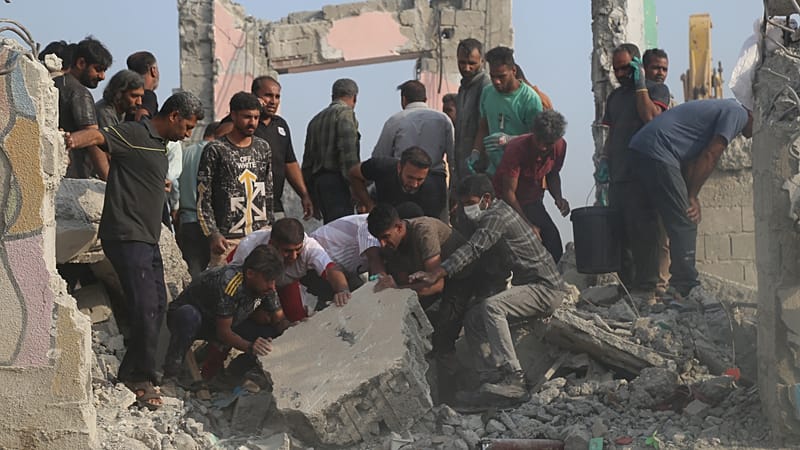
Arman highlighted the “triangle of death,” which includes El Obeid in North Kordofan and Dilling and Kadugli in South Kordofan. This area has seen a surge in drone strikes and ground clashes, leading to a breakdown in security. The situation has left civilians trapped and vulnerable, with no respite from the ongoing conflict.
In a video shared on Facebook, Arman showcased the dire conditions at El Obeid Hospital following a three-day power outage. He emphasized that it is the civilian population who bears the brunt of the warring parties’ military ambitions. The footage depicted patients suffering due to the lack of essential medical supplies and electricity.
Arman urged the United Nations to take immediate action by air-dropping medicine and food into the affected areas. He also called for the evacuation of critically ill patients from the besieged regions. He questioned the significance of any military victories if they come at the cost of civilian lives, stating that such victories would be “etched onto the graves and coffins of the dead.”
International Mediators’ Silence
Arman criticized the silence of international mediators, including the African Union, Arab League, United Nations, and the Quad Mechanism. This group consists of the United States, Saudi Arabia, United Arab Emirates, and Egypt. He argued that their inaction has only exacerbated the crisis in the region.
The Quad Mechanism had proposed a roadmap last September, starting with a three-month humanitarian truce, followed by a permanent ceasefire. However, Sudan’s government rejected this initiative and demanded that the UAE be excluded from mediation. The government accused the UAE of supporting the Rapid Support Forces (RSF). Meanwhile, U.S. envoy Massad Boulos has called for prioritizing civilian protection in the region.
Escalating Conflict and Blockade
An alliance comprising the RSF and SPLM-North is currently besieging parts of South Kordofan. This has led to the blockage of essential supplies from reaching Dilling and Kadugli. The situation has become increasingly dire, with civilians facing severe shortages of food, water, and medical supplies.
The conflict in Kordofan has not only caused widespread suffering but has also disrupted the daily lives of thousands of people. The lack of access to basic necessities has further strained the already fragile humanitarian situation in the region.
Humanitarian Crisis Deepens
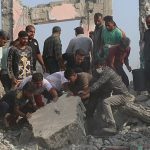
The humanitarian crisis in Kordofan continues to worsen, with reports of increasing casualties and displacement. The ongoing violence has made it difficult for aid organizations to reach those in need, leaving many without access to life-saving assistance.
Arman’s call for a ceasefire highlights the urgent need for a pause in hostilities to allow for the delivery of aid and the evacuation of the injured. He emphasized that the international community must take responsibility for addressing the crisis and ensuring the safety of civilians.
Conclusion
The situation in Kordofan remains critical, with the need for immediate action to prevent further loss of life and suffering. The calls for a ceasefire and increased humanitarian aid are essential steps toward addressing the ongoing conflict and providing relief to those affected. The international community must act decisively to support the people of Kordofan and ensure their right to safety and dignity.