








Sudan and Egypt Strengthen Security Cooperation
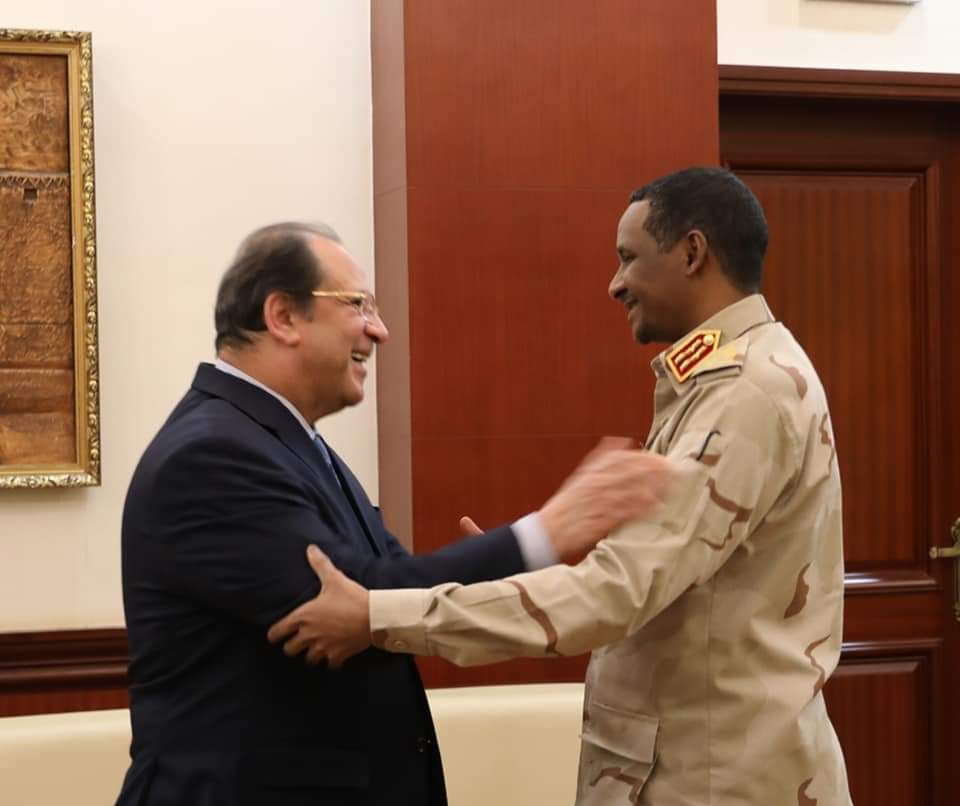
On January 24, 2026, in Port Sudan, the Chairman of Sudan’s Sovereign Council, Abdel Fattah al-Burhan, met with Hassan Mahmoud Rashad, the head of Egypt’s intelligence agency. The meeting focused on enhancing security cooperation and humanitarian aid operations in the region.
Rashad arrived in Sudan earlier that day for discussions with Burhan, who also holds the position of army commander-in-chief. The talks were organized by the media office of the Sovereign Council, which released a statement detailing the agenda of the meeting.
The discussion covered several key areas, including bilateral relations between Sudan and Egypt, counter-terrorism initiatives, and the security situation in the Red Sea. Additionally, the meeting addressed the logistical arrangements needed to facilitate relief operations and ensure the safe delivery of humanitarian aid throughout Sudan.
This visit comes at a time when Western media outlets have reported on Saudi Arabia’s efforts to counter the growing influence of the United Arab Emirates (UAE) in the Red Sea and Horn of Africa region. Analysts suggest that Riyadh is working to establish a military alliance with Egypt and Somalia, which could potentially reduce Abu Dhabi’s role in regional matters, including the ongoing conflict in Sudan.
Saudi Arabia and Egypt have been supporting the Sudanese army, aiming to disrupt supply lines suspected to be used by the rival Rapid Support Forces (RSF) through eastern Libya. The UAE has faced accusations of backing the RSF, although it has denied these claims.
Burhan has made several international visits in recent months to secure military support for his forces. In October and December, he traveled to Egypt, Saudi Arabia, and Turkey to obtain supplies for the Sudanese army, which has been engaged in battles against the RSF across the Kordofan and Darfur regions.
Regional Dynamics and Strategic Alliances
The shifting alliances in the region reflect the complex geopolitical landscape of the Horn of Africa and the Red Sea. As different nations vie for influence, their strategic partnerships and military engagements play a crucial role in shaping the outcomes of conflicts like the one in Sudan.
Egypt, as a key player in the region, continues to strengthen its ties with Sudan, particularly in areas of security and stability. This partnership is likely to have long-term implications for the region’s political and economic dynamics.
In addition to military support, the focus on humanitarian aid highlights the importance of addressing the needs of civilians affected by the conflict. Ensuring the safe and efficient delivery of aid remains a critical challenge for all parties involved.
Ongoing Challenges and Future Prospects
Despite the efforts to improve security and provide humanitarian assistance, the situation in Sudan remains volatile. The conflict between the Sudanese army and the RSF continues to escalate, leading to widespread displacement and suffering among the population.
As regional powers like Saudi Arabia, Egypt, and the UAE navigate their interests, the future of Sudan’s stability remains uncertain. The involvement of external actors will likely continue to shape the trajectory of the conflict and the country’s recovery.