




The Strain on Leadership Amid Rising Fuel Costs
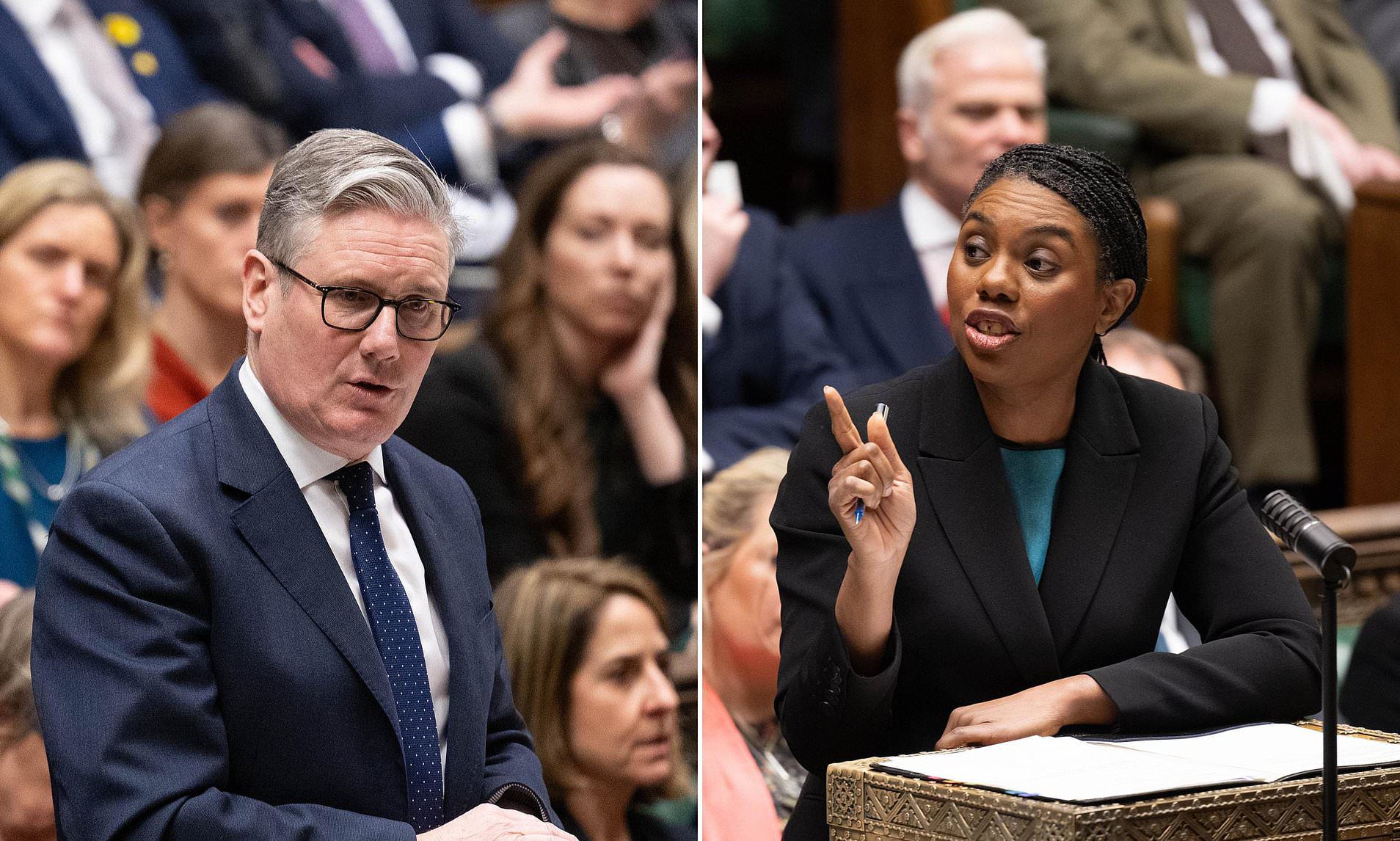
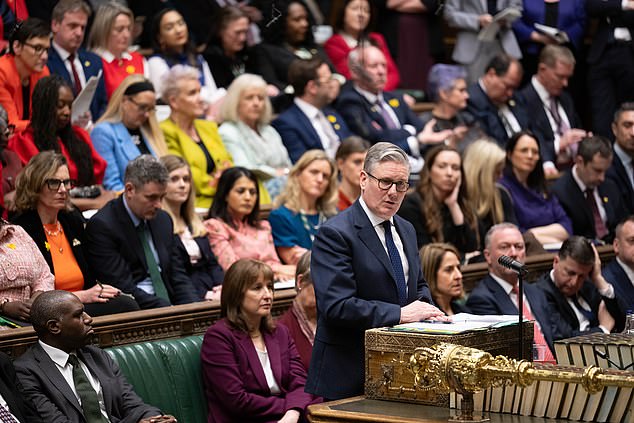
The pressures of leadership are becoming increasingly evident as UK Prime Minister Sir Keir Starmer faces mounting scrutiny over the controversial fuel duty hike. On Wednesday, he hinted at the possibility of another U-turn on the policy, which has drawn sharp criticism from various quarters.
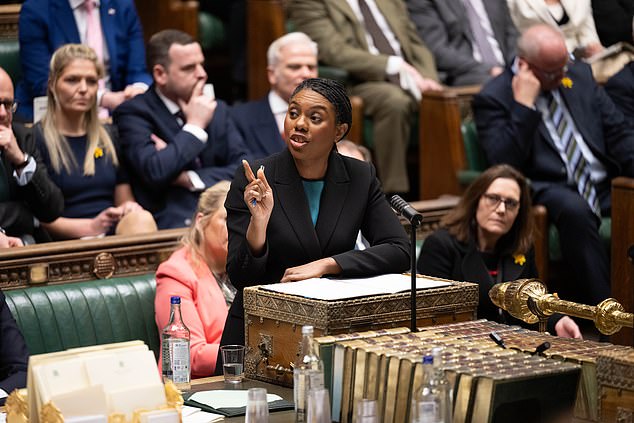
During a heated session of Prime Minister’s Questions, Tory leader Kemi Badenoch warned Sir Keir that now was not the time to proceed with plans to increase costs for drivers. She highlighted that rising pump prices, exacerbated by the conflict in Iran, have caused significant distress among motorists. “Some people are already having sleepless nights,” she stated.
In response to the growing pressure, a visibly stressed Prime Minister said: “Fuel duty is frozen. It’s going to remain frozen until September and we will keep the situation under review in light of what’s happening in Iran.” This statement suggests a potential shift in stance, paving the way for his 15th U-turn on the issue.
The Chancellor’s Position and Economic Concerns
Chancellor Rachel Reeves addressed the matter during a session with MPs on the Commons Treasury committee. She expressed reluctance to scrap the fuel duty hike, stating, “I’m very loath to spend government money on something that the market should be doing itself and that’s why greater competition and greater transparency about pricing is so important.”
However, she left room for an about-turn, emphasizing the negative impact of the Iran conflict on the British economy. “It’s certainly not good for the British economy to have trade disrupted by the crisis,” she added. The situation has been further complicated by threats from Tehran, which have restricted shipping through the Strait of Hormuz, a crucial route for oil and gas supplies. This has led to increased prices and heightened concerns about energy security.
Fuel Duty Hike and Consumer Impact
The Chancellor announced in last year’s Budget that fuel duty would increase by 5p a litre from this September, adding more than £3 to the cost of a fill-up. This marks the first such hike in 15 years and has sparked fierce debate among political parties and consumers alike.
Reform UK and the Tories have both pledged to scrap the hike if they win the next election. Meanwhile, garages have faced accusations of exploiting the conflict to charge higher prices. The difference between the cheapest and most expensive forecourts has grown to £35, raising concerns about price gouging.
Pump prices have surged at their fastest rate since March 2022, a month after Ukraine was invaded. According to analysis by the Daily Mail, the cheapest per litre price for standard diesel in the UK was 121.58p on Tuesday, while the dearest was a staggering 186p. This means a fill-up for the average 55-litre tank in a family car would now cost £102.30 at the latter price.
Market Stabilization Efforts
Motoring groups have raised concerns about the widening gap in prices, suggesting that some forecourts may be using soaring oil prices as a cover to ‘price gouge’. In response, the UK-backed International Energy Agency has agreed to release a record 400 million oil barrels from its strategic reserves to help stabilize markets.
This move is aimed at curbing the surge in oil prices, which have recently surpassed $100 a barrel. After Sir Keir spoke to G7 leaders on Wednesday, a spokesman noted, “The Prime Minister reiterated the importance of working together to guarantee freedom of navigation in the Strait.”
As the situation continues to evolve, the focus remains on finding a balance between economic stability and the needs of consumers. The ongoing debate highlights the complex challenges faced by leaders in navigating the current landscape of global conflicts and domestic policy.