









The Impact of AI on Cognitive Function and Creativity
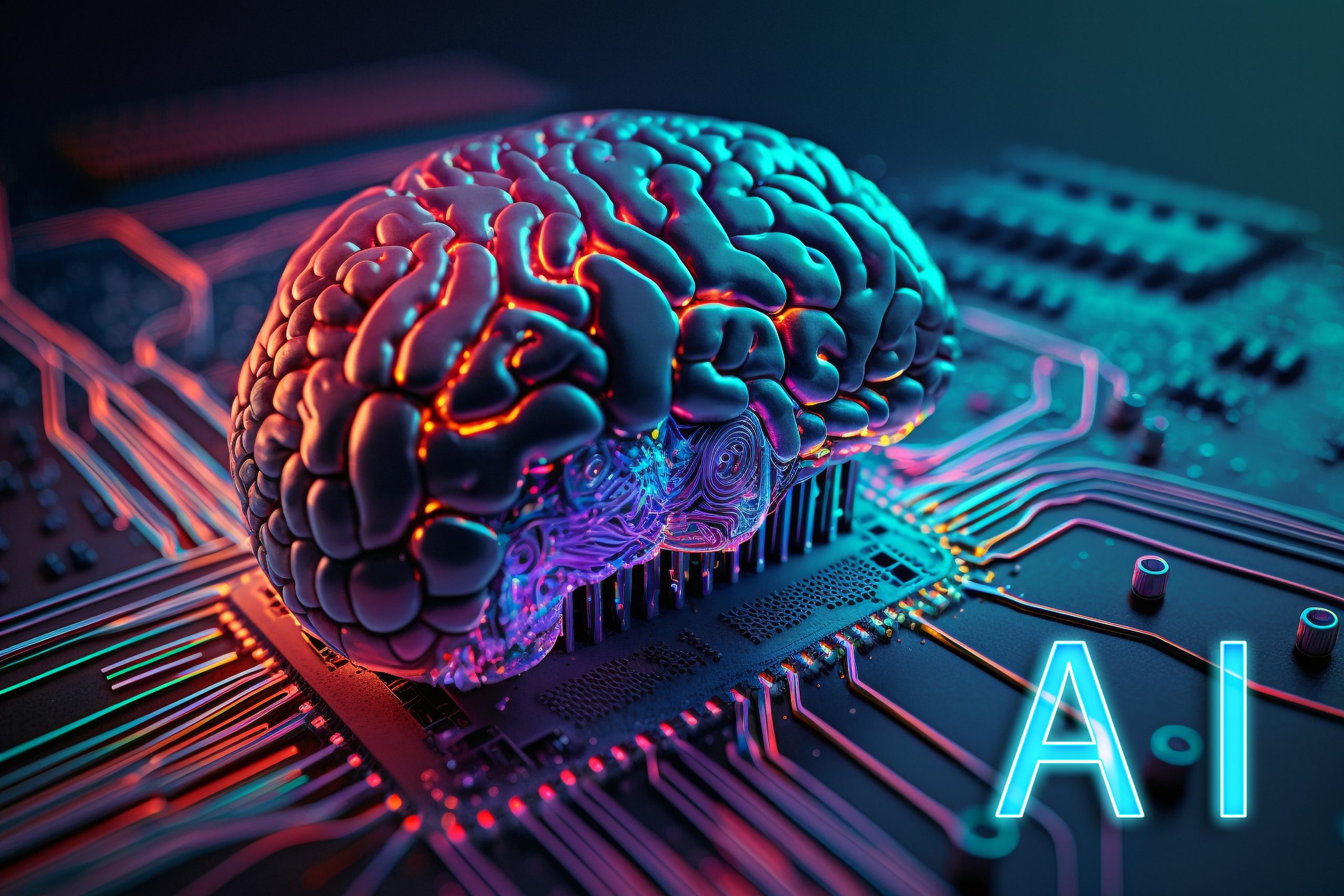
A recent report titled “ChatGPT and the Brain: A Hidden Risk for Writers and Journalists” has sparked significant debate about the effects of artificial intelligence on human cognition. The study, conducted by researchers at the Massachusetts Institute of Technology, suggests that prolonged use of AI tools like ChatGPT may have a detrimental effect on brain function rather than enhancing it.
In a four-month experiment, participants were scanned while using ChatGPT. The results were alarming: 83.3 percent of users struggled to recall any sentences they had written just minutes before, while those who wrote without AI showed no such memory issues. Additionally, the study found a sharp decline in brain connectivity, dropping from 79 to 42 points—a 42 percent reduction in neural engagement. These findings raise serious concerns, especially in an era where AI is increasingly integrated into professional and personal life.
Journalists, writers, and academics are now relying more heavily on AI to draft, refine, or even generate entire pieces of work. This shift has led to fears that core elements of writing—creativity, critical thinking, and originality—may be at risk. However, rather than outright condemning AI, it’s crucial to reflect on how we use these tools responsibly.
AI is here to stay, much like previous technological advancements such as the printing press, typewriters, and the internet. These innovations changed the way writers worked, and AI is another step in the evolution of communication. The key issue is not whether AI exists but how we choose to integrate it into our workflow.
It’s important to recognize that AI is not a magical tool that can produce high-quality, original content with minimal effort. As someone who regularly uses ChatGPT, I’ve found that the demand on the brain has actually increased. Simply feeding a vague topic into the system will likely result in generic and unoriginal output. What AI cannot replicate is the unique voice, emotional depth, and lived experience that a human writer brings to their work.
I still write my articles myself, focusing on the thinking, structuring, and arguments that form the backbone of my work. AI is used only as a secondary tool for grammar checks, spelling corrections, and research assistance. The control remains with me, ensuring that my style and voice are preserved.
The danger arises when writers become overly reliant on AI, treating it as a substitute rather than an assistant. This kind of laziness can lead to a decline in cognitive abilities, similar to a student copying assignments without understanding the material. The quality of work suffers, and credibility is compromised.
On the other hand, when used properly, AI can enhance the writing process. It demands clarity of thought, requiring users to be specific and intentional in their instructions. This leads to deeper planning, sharper analysis, and a clearer understanding of the goals at hand.
Consider a personal story: ChatGPT will never know that I was born at Torwood Hospital, unresponsive and without breathing. Yet, this experience adds authenticity and depth to my writing, something AI cannot replicate. It is in weaving human experiences and insights into our work that writing retains its true essence.
While the MIT study highlights the risks of misuse, it also serves as a reminder of the importance of responsible AI use. Writers and journalists must resist the temptation to outsource their thinking. Institutions should establish clear guidelines to ensure ethical and responsible use of AI in writing.
Despite the concerns, AI offers immense value. For many writers, including myself, it has become an indispensable tool for polishing work, fact-checking, and offering suggestions. However, it never replaces the human element—the voice, the mind, and the calling as a writer.
Ultimately, the impact of AI on the brain depends on how it is used. Like a knife or fire, AI can be either a weapon or a tool. The difference lies in the hands that wield it. Writers and journalists must embrace AI as a companion, not a crutch. The challenge is not to fear this new tool but to master it with discipline and integrity.
Only then can we ensure that creativity remains vibrant, minds stay engaged, and work remains authentically human in an age of machines.